

Printing Portfolios
Some photographs deserve to be held, not just viewed.
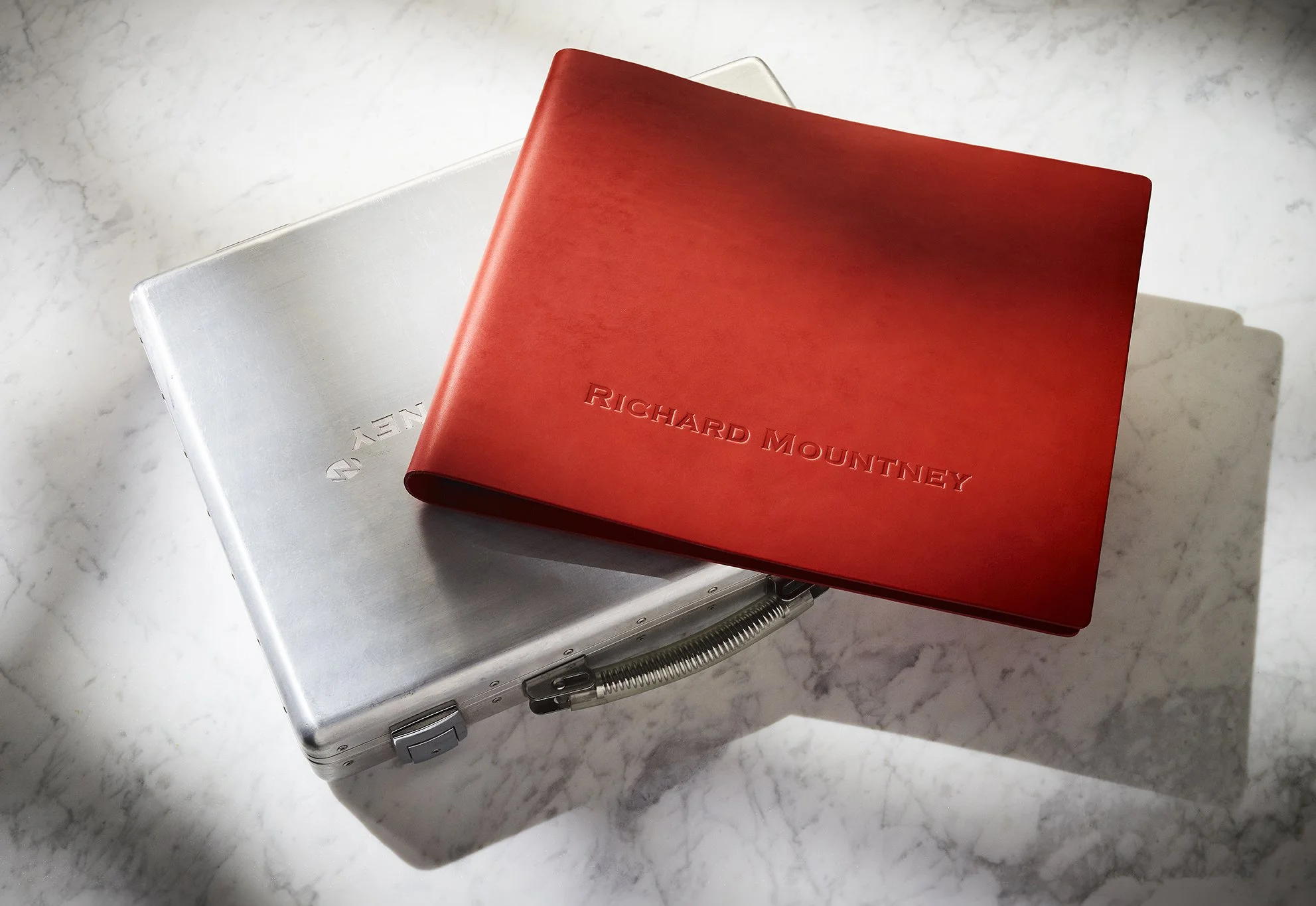
I’m looking forward to getting out with a new printed portfolio in the coming weeks. It feels like the right time to revisit this way of showing work, both old and new, and to reconnect with agencies in a more tangible, personal way.
I haven’t shown a printed portfolio for a while. Not since before the Covid lockdowns and the shift towards hybrid and remote working. Like many photographers, the move to digital presentations wasn’t entirely our choice, it was a necessity. But I’m increasingly convinced that it’s time for a change.
Photography looks great on screens. Zooming, panning, and scrolling all have their advantages, and digital portfolios are undeniably convenient. But they don’t compare to the tactile experience of printed photographs, especially when they’re bound into a well-made book with a substantial cover. A printed portfolio feels deliberate. It becomes a physical showcase of work you’re proud of, something that invites slower viewing and conversation. Sitting together, turning pages, and talking through the stories behind the images is far more engaging than sending a link and hoping it gets the attention it deserves.
Reviewing and reprinting a portfolio also creates an opportunity to reflect. You can introduce new work, reassess older images, and see connections you might have missed before. Photography is an iterative process, and portfolio-making perhaps even more so. With time and distance, images can take on new meaning, and the act of editing can be unexpectedly rewarding.
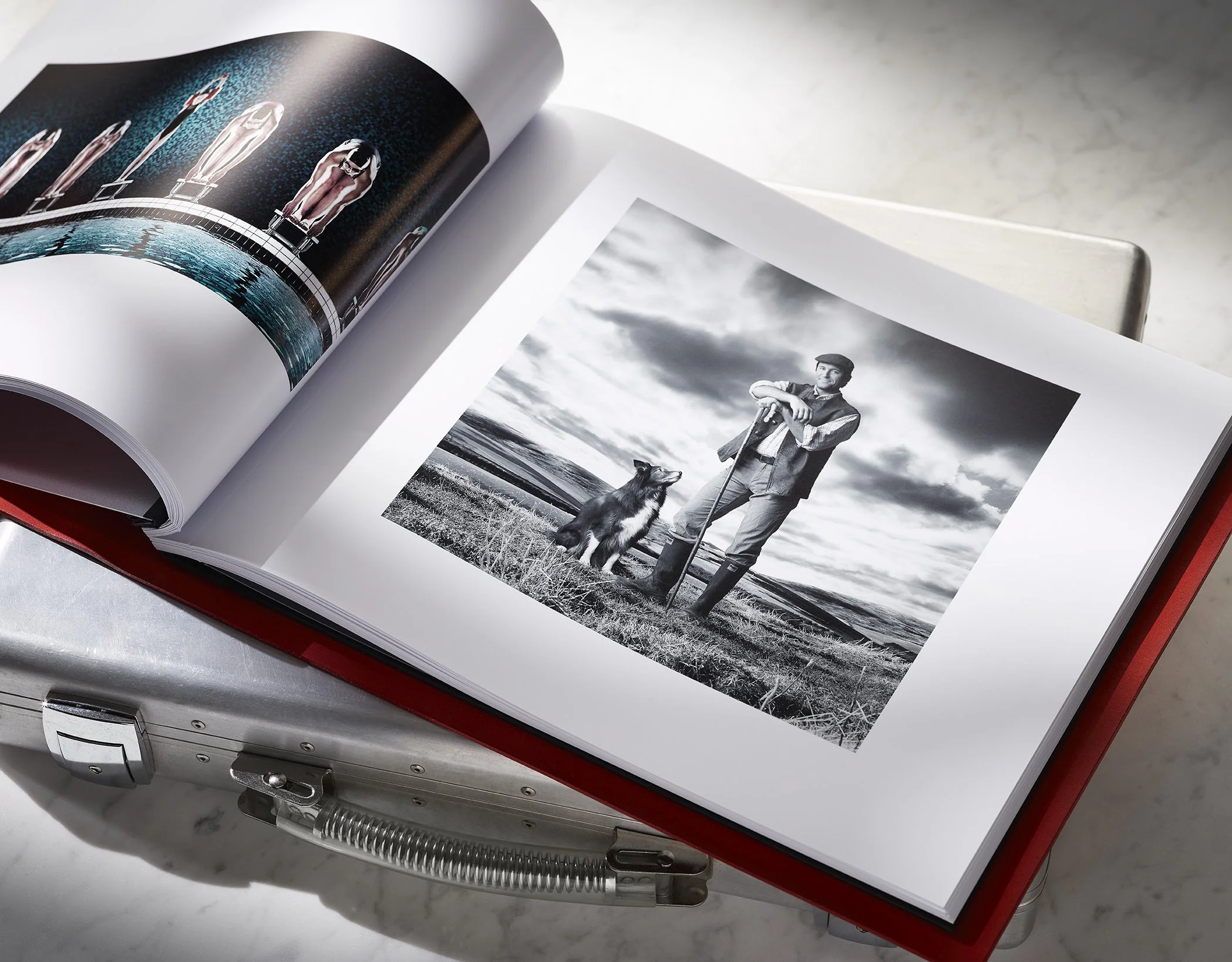
That said, making a printed portfolio isn’t all sunshine and rainbows. It’s full of potential pitfalls and hidden costs, blocked print heads, tram-lines, trimming errors, extra packs of paper, replacement ink cartridges, and more reprints than you care to count. Note to self, be very careful with double-sided printing, mistakes are doubly expensive…
Over the years I’ve produced many portfolios, from my student days in London through to working with agencies across Northern England and Scotland after moving to Edinburgh. The format has evolved along with the industry, from 5x4 and 10x8 transparencies, often accompanied by a portable lightbox, because agency lightboxes varied wildly in quality and colour temperature, to laminated tearsheets, and eventually to printed books.
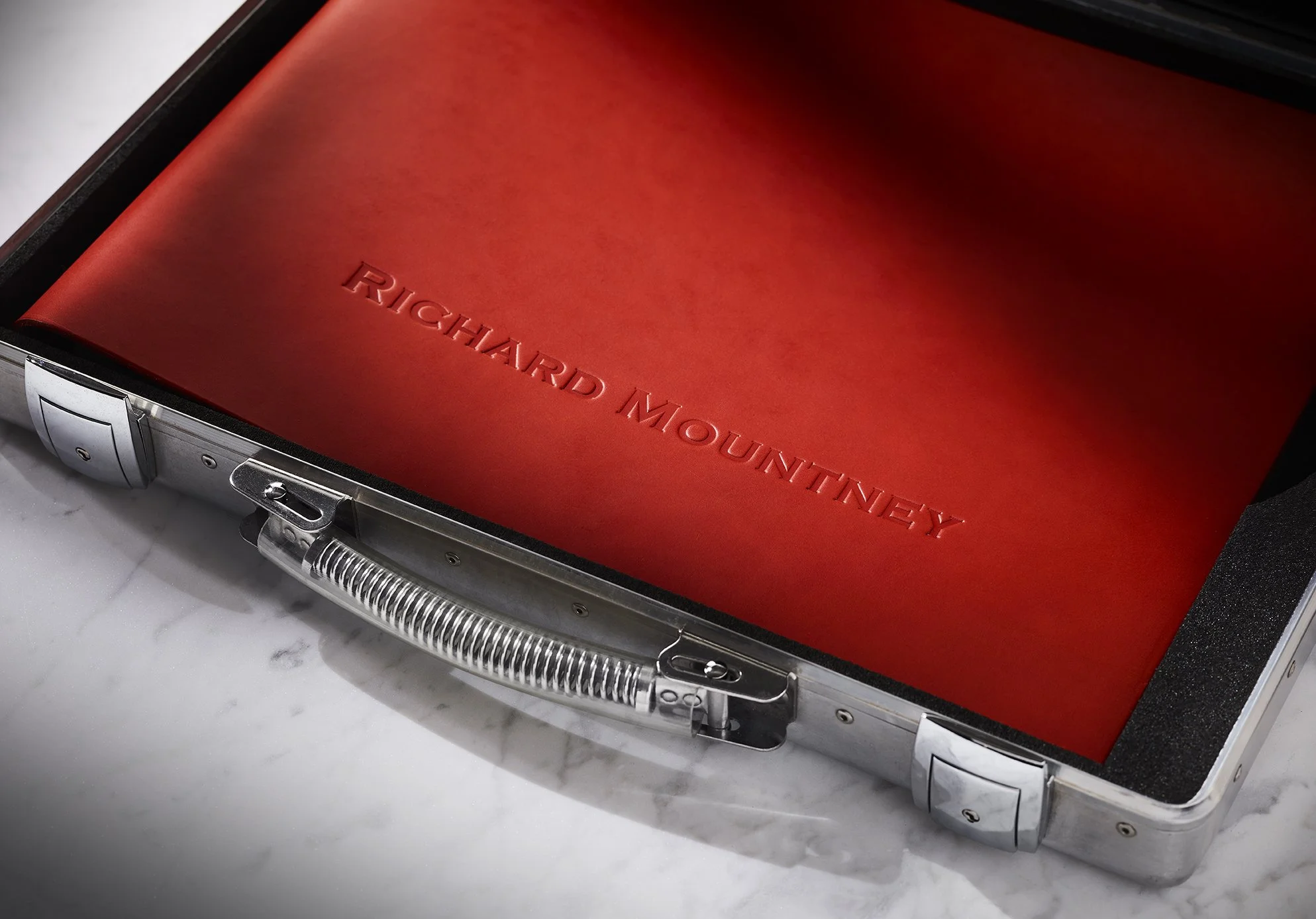
When presenting a portfolio, it needs to have a real “wow” factor, not just in the imagery, but in the presentation itself. The case, the binding, the paper choice, all of it contributes to the impression you leave. The portfolio should inspire confidence that you can deliver professional work, from concept through to execution.
I’d love to hear others’ thoughts. Portfolio meetings have become rarer in recent years, but are they still appreciated? Or do you prefer emails and digital presentations?
And if anyone would like to review the portfolio in person, please get in touch. We’ll happily pop round with it post-haste.
#AdvertisingPhotography #Portfolio #Advertising #Photography #BrandStrategy #Scotland